
Tennis is one of the most effective sports for improving overall fitness and supporting sustainable weight loss. Unlike repetitive gym routines, tennis combines cardio, strength, agility, and coordination in a dynamic environment that keeps both the body and mind engaged.
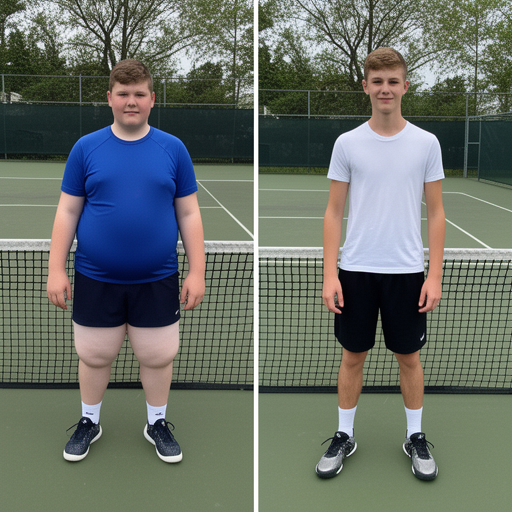
For players attending tennis lessons or playing regularly in recreational settings, tennis can become a long-term fitness solution rather than just a sport.
This guide explains how tennis supports fat loss, builds full-body strength, and how to structure your training for maximum fitness results.
Table of Contents
- Why Tennis Is an Effective Fitness Sport
- Calories Burned During Tennis
- Full-Body Muscles Used in Tennis
- How Tennis Supports Weight Loss
- Interval Training Effect of Tennis Matches
- How Beginners Can Use Tennis for Fitness Goals
- Structuring Tennis Training for Fat Loss
- Nutrition and Recovery for Better Results
- Common Mistakes When Using Tennis for Weight Loss
- Role of Tennis Lessons in Fitness Improvement
- Final Thoughts
1. Why Tennis Is an Effective Fitness Sport
Tennis is a unique combination of endurance, speed, and explosive movement. A single rally can include sprinting, stopping, changing direction, and swinging—all within seconds.
Unlike steady-state cardio (like jogging), tennis constantly alternates between:
- High-intensity bursts
- Short recovery periods
- Mental focus under fatigue
This makes it highly effective for improving cardiovascular fitness while burning calories efficiently.
2. Calories Burned During Tennis
The number of calories burned depends on intensity, body weight, and playing style.
Approximate calorie burn per hour:
- Casual play: 300–500 kcal
- Moderate singles match: 500–700 kcal
- High-intensity singles match: 700–900+ kcal
Singles tennis generally burns more calories than doubles due to increased court coverage and movement demands.
Compared to many gym workouts, tennis provides a more engaging and sustainable calorie-burning activity.
3. Full-Body Muscles Used in Tennis
Tennis is a full-body workout that activates multiple muscle groups simultaneously.
Upper body:
- Shoulders (serve and overhead shots)
- Forearms and grip strength
- Chest and upper back (stroke control and stability)
Core:
- Abdominal muscles (rotation and balance)
- Lower back (posture and stability)
Lower body:
- Quadriceps and hamstrings (sprinting and stopping)
- Calves (explosive movement)
- Glutes (lateral movement and power generation)
Every shot in tennis requires coordinated movement between these muscle groups.
4. How Tennis Supports Weight Loss
Weight loss occurs when calorie expenditure exceeds calorie intake. Tennis supports this through both direct and indirect mechanisms.
Direct benefits:
- High calorie burn during play
- Sustained cardiovascular activity
- Increased metabolic rate post-exercise
Indirect benefits:
- Improved muscle mass increases resting metabolism
- Enhanced activity levels outside of training
- Better sleep quality from physical exertion
Unlike repetitive workouts, tennis is more likely to be maintained long-term, which is crucial for sustainable weight loss.
5. Interval Training Effect of Tennis Matches
Tennis naturally mimics high-intensity interval training (HIIT).
A typical match includes:
- Short explosive rallies (high intensity)
- Brief pauses between points (recovery)
- Longer breaks between games (active rest)
This structure improves:
- Fat burning efficiency
- Cardiovascular endurance
- Recovery speed between efforts
This interval pattern is one reason tennis is often recommended as a superior fitness sport compared to steady cardio alone.
6. How Beginners Can Use Tennis for Fitness Goals
Beginners do not need advanced skills to benefit from tennis for fitness.
Simple starting approach:
- Focus on rally consistency instead of power
- Play longer, slower rallies to increase movement time
- Combine singles and doubles for balanced intensity
- Gradually increase session duration
Even basic rally practice provides significant calorie burn and cardiovascular benefits.
7. Structuring Tennis Training for Fat Loss
To use tennis effectively for weight loss, structure matters.
Example weekly plan:
- 2–3 tennis sessions (60–90 minutes each)
- 1–2 conditioning sessions (light running or strength training)
- 1 active recovery day (stretching, walking, mobility work)
- 1 rest day
Training focus:
- High rally volume (keep moving)
- Short rest between drills
- Consistent moderate intensity rather than occasional extremes
This ensures steady fat-burning without burnout.
8. Nutrition and Recovery for Better Results
Fitness results depend heavily on recovery and nutrition.
Key nutrition principles:
- Maintain a slight calorie deficit for weight loss
- Prioritize protein for muscle recovery
- Stay hydrated, especially in hot conditions
- Eat carbohydrates to support training energy
Recovery habits:
- 7–9 hours of sleep
- Post-training stretching
- Hydration replenishment after matches
- Avoid overtraining without rest days
In humid environments like Singapore, hydration and electrolyte balance become even more important due to increased sweat loss.
9. Common Mistakes When Using Tennis for Weight Loss
Many players make avoidable mistakes when using tennis as a fitness tool.
Common errors:
- Playing too intensely too early and burning out
- Focusing only on matches instead of structured training
- Ignoring nutrition while increasing activity
- Skipping recovery days
- Expecting fast results in a short time
Weight loss through tennis is effective, but it requires consistency over time.
10. Role of Tennis Lessons in Fitness Improvement
Structured tennis lessons can significantly improve both skill and fitness outcomes.
Coaches help by:
- Designing drills that maximize movement and calorie burn
- Ensuring correct technique to prevent injury
- Increasing rally efficiency and intensity safely
- Building endurance through structured progression
- Mixing technical training with conditioning work
Lessons also ensure that fitness training is purposeful rather than random hitting.
This combination of skill development and physical conditioning makes tennis lessons highly effective for long-term body transformation.
11. Final Thoughts
Tennis is not just a sport—it is a complete fitness system that builds endurance, strength, coordination, and mental focus while supporting sustainable weight loss.
Its interval-based nature makes it one of the most engaging and effective ways to burn calories without the monotony of traditional workouts.
When combined with structured training, proper nutrition, and consistent tennis lessons, tennis becomes a powerful long-term solution for full-body fitness and healthy weight management.