
Poor tennis technique is easier to fix when it is caught early. The problem is that many players, especially beginners, develop habits that feel “normal” but actually limit progress for months or even years.
If you are taking tennis lessons or practicing regularly, learning how to identify early technical flaws will help you improve faster, reduce injuries, and build a more consistent game.
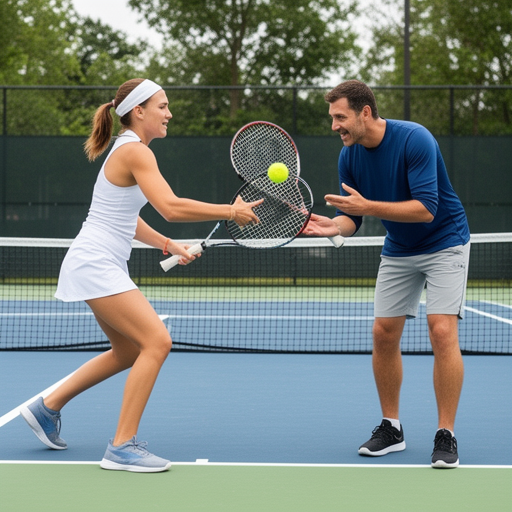
This guide breaks down the most common warning signs of poor technique and how to correct them before they become long-term problems.
Table of Contents
- Why Early Technique Detection Matters
- Signs of Poor Forehand Technique
- Signs of Poor Backhand Technique
- Serve Technique Red Flags
- Footwork and Positioning Issues
- Timing and Contact Point Problems
- Balance and Recovery Mistakes
- How to Self-Diagnose Using Simple Checks
- How Tennis Lessons Correct Technical Errors
- Final Thoughts
1. Why Early Technique Detection Matters
In tennis, small technical errors become amplified over time. A slight grip issue or timing problem can lead to:
- Inconsistent shots
- Frequent unforced errors
- Loss of confidence in matches
- Increased injury risk
The earlier you identify these issues, the easier they are to correct. Once habits are deeply ingrained, they take much longer to fix.
2. Signs of Poor Forehand Technique
The forehand is usually the first stroke where bad habits appear.
Common warning signs:
- Ball consistently flies long or into the net
- Excessive wrist movement during contact
- Late racket preparation
- Lack of body rotation (arm-only hitting)
- Inconsistent swing path
What it usually means:
- Poor timing
- Weak grip stability
- Insufficient use of legs and torso
A proper forehand should feel smooth, controlled, and generated from the whole body—not just the arm.
3. Signs of Poor Backhand Technique
Backhand issues often show up earlier because it is less natural for many beginners.
Warning signs:
- Weak or floating backhand shots
- Difficulty handling fast balls
- Frequent slicing unintentionally
- Over-reliance on blocking instead of swinging
- Poor shoulder turn before hitting
Likely causes:
- Late preparation
- Incorrect grip
- Fear of full swing commitment
A strong backhand should be stable and repeatable under pressure.
4. Serve Technique Red Flags
The serve is the most technical shot in tennis, and errors here are very common.
Signs of poor serve mechanics:
- Inconsistent ball toss placement
- Serving only with arm strength (no leg drive)
- Frequent double faults
- No clear rhythm or timing
- Shoulder or wrist discomfort
What this indicates:
- Lack of coordinated motion
- Poor toss control
- Incorrect kinetic chain usage
A good serve should feel fluid, with power coming from legs and rotation—not just the arm.
5. Footwork and Positioning Issues
Footwork problems often cause more errors than stroke mechanics.
Warning signs:
- Hitting while off-balance
- Standing too close or too far from the ball
- Late arrival to contact point
- Flat-footed movement between shots
Why it matters:
Even good strokes fail without proper positioning. Footwork determines whether you hit the ball comfortably or under pressure.
6. Timing and Contact Point Problems
Timing is one of the hardest skills to master.
Common signs:
- Hitting the ball too late behind the body
- Contact point inconsistent across shots
- Rushed swings under pressure
- Difficulty adjusting to fast or slow balls
Result:
Poor timing leads to inconsistent depth, direction, and control.
7. Balance and Recovery Mistakes
Balance is often overlooked but critical for consistency.
Warning signs:
- Falling backward after hitting
- Over-rotating and losing control
- Not recovering to ready position quickly
- Struggling in long rallies
Why it happens:
- Weak core stability
- Poor foot positioning
- Over-hitting shots instead of controlled swings
Good players always finish in a balanced, ready position.
8. How to Self-Diagnose Using Simple Checks
You do not need advanced tools to spot technical issues.
Simple self-check method:
After playing or watching video, ask:
- Was I balanced after most shots?
- Did I feel rushed before contact?
- Am I missing more forehands or backhands?
- Did my serve rhythm feel consistent?
- Was I late to most balls?
Even answering these questions honestly reveals patterns quickly.
9. How Tennis Lessons Correct Technical Errors
Structured coaching is one of the fastest ways to fix poor technique.
In tennis lessons, coaches help by:
- Identifying root causes of mistakes
- Demonstrating correct movement patterns
- Breaking skills into smaller drills
- Providing immediate feedback during play
- Adjusting technique based on your body mechanics
In environments like Singapore, where players often train in fast-paced conditions, early correction is especially important to avoid developing bad habits under fatigue.
Coaching ensures that errors are corrected before they become permanent habits.
10. Final Thoughts
Poor tennis technique usually develops quietly, but it shows clear warning signs if you know what to look for. Issues in timing, balance, footwork, and stroke mechanics often appear early—long before they become serious problems.
The key is awareness and early correction. With consistent self-review, video analysis, and structured tennis lessons, players can fix technical flaws quickly and build a strong, reliable foundation for long-term improvement.
Good technique is not about perfection—it is about consistency, efficiency, and control under pressure.