
Singapore’s tropical climate creates unique challenges for tennis players. High humidity, frequent rain, and consistently warm temperatures affect endurance, grip, hydration, and even tactical decision-making on court. Understanding how weather influences performance is essential for anyone taking tennis lessons or playing regularly outdoors.
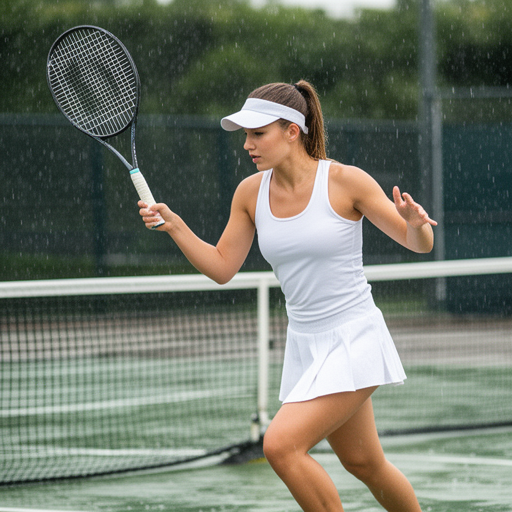
This guide explains how local conditions impact your game and what adjustments you can make to train and compete more effectively.
Table of Contents
- Overview of Singapore’s Tennis Playing Conditions
- How Heat Affects Tennis Performance
- The Impact of Humidity on Stamina and Grip
- Rain, Court Conditions, and Scheduling Disruptions
- Wind and Outdoor Tactical Adjustments
- Hydration and Physical Management Strategies
- Clothing and Equipment Choices for Tropical Play
- Tactical Changes for Hot and Humid Matches
- How Players in Singapore Adapt Through Training
- Final Thoughts
1. Overview of Singapore’s Tennis Playing Conditions
Tennis in Singapore is played in a consistently warm, humid, and often unpredictable environment.
Key characteristics include:
- Average temperatures between 27°C–34°C
- High humidity levels (often above 70%)
- Sudden rain showers and thunderstorms
- Occasional strong winds during outdoor play
These conditions directly influence how long you can sustain high-intensity rallies and how well you execute technical skills.
For players training through structured tennis lessons, adapting to these conditions is just as important as learning technique.
2. How Heat Affects Tennis Performance
Heat places significant stress on the body during tennis matches.
Effects of high temperature:
- Faster fatigue and heart rate increase
- Reduced reaction time during long rallies
- Decreased serve consistency under fatigue
- Higher risk of cramps and overheating
In hot conditions, players often start strong but experience a drop in performance after prolonged rallies or long sets.
Key adaptation:
Pacing becomes essential. Instead of playing every point at maximum intensity, smart players manage energy across the match.
3. The Impact of Humidity on Stamina and Grip
Humidity is one of the biggest challenges in Singapore tennis.
Physical effects:
- Increased sweating leading to faster dehydration
- Reduced endurance over long matches
- Heavier feeling in muscles due to fluid loss
Technical effects:
- Slippery racket grip
- Difficulty controlling spin shots
- Reduced precision on volleys and serves
Even well-trained players find that their timing becomes less reliable when grip and sweat are not managed properly.
4. Rain, Court Conditions, and Scheduling Disruptions
Rain is frequent and often unpredictable, affecting outdoor tennis sessions.
Common impacts:
- Wet courts leading to unsafe footing
- Delays or cancellations of training sessions
- Slower court speed after rain (especially on hard courts)
- Ball heaviness due to moisture
For consistency, many players rely on flexible training schedules or indoor backup courts.
In structured tennis lessons, coaches often adjust lesson plans based on weather conditions to maintain continuity.
5. Wind and Outdoor Tactical Adjustments
Wind is another factor that can significantly alter match dynamics.
How wind affects play:
- Ball drift during high toss serves
- Unpredictable shot trajectory
- Difficulty controlling deep baseline shots
Tactical adjustments:
- Hit with more margin over the net
- Use heavier topspin for stability
- Avoid low-percentage line shots
- Adjust toss height for serve consistency
Experienced players quickly adapt by simplifying shot selection during windy conditions.
6. Hydration and Physical Management Strategies
Hydration is critical for performance in Singapore’s climate.
Best practices:
- Drink water before, during, and after play
- Include electrolytes for long sessions
- Avoid waiting until thirsty to hydrate
- Take short rest breaks between games
Physical management tips:
- Use towels frequently to maintain grip
- Change damp clothing if possible
- Apply sunscreen for outdoor protection
- Monitor signs of fatigue or dizziness
Without proper hydration, performance can decline rapidly even in technically skilled players.
7. Clothing and Equipment Choices for Tropical Play
The right gear helps significantly in hot and humid environments.
Recommended clothing:
- Lightweight, moisture-wicking fabrics
- Breathable tennis shirts and shorts
- Light-colored clothing to reduce heat absorption
Equipment considerations:
- Overgrips changed frequently due to sweat
- Towels placed courtside for quick drying
- Anti-slip grip enhancers if needed
- Extra racquet to rotate during long sessions
Small adjustments in equipment can greatly improve control and comfort.
8. Tactical Changes for Hot and Humid Matches
Weather conditions often require strategic changes in gameplay.
Smart tactical adaptations:
- Shorten points when possible
- Approach the net earlier to reduce rally length
- Use higher margin shots instead of risky winners
- Avoid unnecessary long baseline exchanges
Players who manage energy efficiently tend to perform better in the second half of matches.
This is why many tennis lessons in tropical climates include conditioning-based drills alongside technical training.
9. How Players in Singapore Adapt Through Training
In Singapore, players gradually learn to adapt through consistent exposure to outdoor conditions.
Common training adaptations include:
- Early morning or evening sessions to avoid peak heat
- Conditioning drills that simulate match fatigue
- Heat-acclimatization training over time
- Structured rest breaks during practice
Coaches often design programs that combine technical development with physical resilience training, ensuring players can sustain performance in real match environments.
For many players, combining conditioning with structured tennis lessons is the fastest way to adapt effectively to local conditions.
10. Final Thoughts
Weather plays a major role in tennis performance in Singapore. Heat, humidity, wind, and rain all influence how you move, hit, and think on court.
Success in these conditions depends not just on technique, but on preparation and adaptation. Players who learn to manage hydration, adjust tactics, and train in realistic conditions gain a significant advantage.
Ultimately, the best tennis players are not just technically skilled—they are also adaptable to the environment they play in.