
Junior tennis development is a structured journey that transforms complete beginners into confident, competitive players. In a country like Singapore, where sports development is well-organised and facilities are widely available, young players have a clear pathway from recreational learning to tournament-level performance.
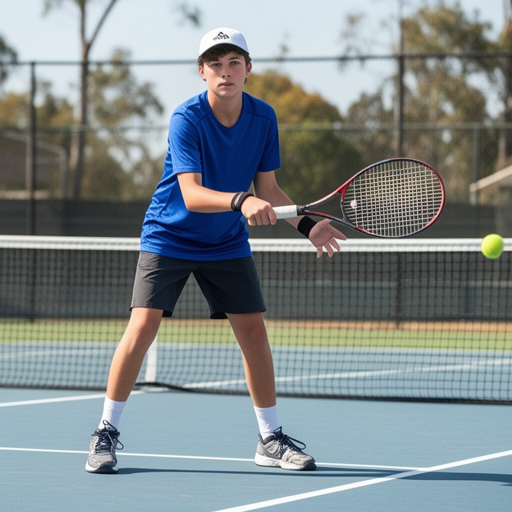
This guide explains how junior players typically progress, what skills are developed at each stage, and how parents and coaches can support long-term improvement through structured tennis lessons.
Table of Contents
- Overview of Junior Tennis Development in Singapore
- Stage 1: Beginner Foundation (Ages 4–8)
- Stage 2: Basic Skill Development (Ages 8–11)
- Stage 3: Intermediate Training and Match Play (Ages 11–14)
- Stage 4: Competitive Junior Level (Ages 14–18)
- Physical Development and Conditioning for Juniors
- Mental and Emotional Growth in Junior Tennis
- Role of Parents in Tennis Development
- How Tennis Lessons Shape Junior Progression
- Final Thoughts
1. Overview of Junior Tennis Development in Singapore
In Singapore, junior tennis development is typically structured around progressive skill-building stages. Players move from fun-based learning to technical training, then into tactical and competitive environments.
The goal is not just to produce competitive athletes, but to develop:
- Strong fundamentals
- Physical coordination
- Match understanding
- Long-term love for the sport
Most juniors progress through a combination of school programs, private coaching, and structured tennis lessons.
2. Stage 1: Beginner Foundation (Ages 4–8)
This stage focuses on introducing children to tennis in a fun and engaging way.
Key objectives:
- Developing basic hand-eye coordination
- Learning how to hold a racket properly
- Understanding simple rally concepts
- Building interest and enjoyment in the sport
Typical activities:
- Mini tennis (smaller courts and softer balls)
- Simple throwing and catching games
- Basic movement drills (running, stopping, balancing)
At this stage, enjoyment is more important than competition.
3. Stage 2: Basic Skill Development (Ages 8–11)
Children begin learning proper tennis techniques.
Key focus areas:
- Forehand and backhand fundamentals
- Introduction to serving mechanics
- Basic footwork patterns
- Rally consistency over power
Development goals:
- Sustaining short rallies
- Understanding court positioning
- Learning basic scoring rules
Coaches often introduce structured drills during tennis lessons to build repetition and consistency.
4. Stage 3: Intermediate Training and Match Play (Ages 11–14)
At this stage, players begin to transition into structured match play.
Key focus areas:
- Improved stroke technique and spin control
- Tactical awareness (shot selection and placement)
- Introduction to competitive matches
- Physical conditioning (speed and agility training)
Players start participating in local competitions and school tournaments.
This stage is critical because habits formed here often define long-term playing style.
5. Stage 4: Competitive Junior Level (Ages 14–18)
This is where players begin serious competitive training.
Key focus areas:
- Advanced tactical decision-making
- Match strategy development
- Serve consistency and power improvement
- Mental toughness under pressure
Players may compete in national-level events and structured junior circuits.
Training intensity increases significantly, often including multiple weekly tennis lessons and fitness sessions.
6. Physical Development and Conditioning for Juniors
Physical development is a major part of junior tennis progression.
Key areas:
- Speed and agility training
- Core strength development
- Injury prevention exercises
- Endurance building for long matches
As players grow, conditioning becomes more structured and sport-specific.
Proper physical training helps prevent injuries during growth phases and improves long-term performance.
7. Mental and Emotional Growth in Junior Tennis
Tennis also develops important psychological skills.
Key mental aspects:
- Handling wins and losses
- Building confidence through repetition
- Learning focus and discipline
- Managing pressure during matches
Junior players often experience emotional ups and downs, especially during competition. Coaches and structured tennis lessons help guide them through these challenges.
8. Role of Parents in Tennis Development
Parents play a significant supporting role in junior tennis development.
Positive contributions:
- Encouraging consistent training
- Supporting tournament participation
- Providing emotional stability after matches
- Avoiding excessive pressure on performance
The best results come when parents focus on long-term development rather than short-term wins.
9. How Tennis Lessons Shape Junior Progression
Structured tennis lessons are the backbone of junior development.
They provide:
- Progressive skill-building from beginner to advanced levels
- Technical correction from qualified coaches
- Match simulation and tactical training
- Physical conditioning integration
- Regular feedback and performance tracking
Well-designed coaching programs ensure juniors progress at a steady and sustainable pace without developing poor habits early.
In competitive environments like Singapore, structured training is especially important due to the high standard of junior tennis development.
10. Final Thoughts
Junior tennis development is a long-term journey that requires patience, consistency, and structured guidance. From basic coordination to competitive match play, each stage builds the foundation for the next.
With the right balance of coaching, practice, and support, young players can develop not only strong tennis skills but also discipline, confidence, and resilience that benefit them beyond the court.
Structured tennis lessons remain one of the most effective ways to guide juniors through this pathway, ensuring steady improvement and long-term enjoyment of the sport.